# Garden Center Foot Traffic: Seasonal Re-Engagement SMS Campaigns
## Table of Contents
– [The Core Answer](#the-core-answer)
– [The Problem: Spring Buyers Disappear by Late Summer](#the-problem-spring-buyers-disappear-by-late-summer)
– [The Solution: Autumn SMS Re-Engagement Engine](#the-solution-autumn-sms-re-engagement-engine)
– [Map Spring Purchase Data to Autumn Jobs](#map-spring-purchase-data-to-autumn-jobs)
– [Build Triggered Alerts by Plant and Weather Signals](#build-triggered-alerts-by-plant-and-weather-signals)
– [Set Counter Tablet Capture and Wallet Pass Workflow](#set-counter-tablet-capture-and-wallet-pass-workflow)
– [Segment Multi-Location Garden Center Audiences](#segment-multi-location-garden-center-audiences)
– [Coordinate SMS with In-Store Service Calendar](#coordinate-sms-with-in-store-service-calendar)
– [Implementation Checklist / Protocol](#implementation-checklist-protocol)
– [Conclusion & CTA](#conclusion-cta)
## The Core Answer
> Garden centers turn spring purchase records into autumn visits with [automated foot traffic re-engagement and win-back messaging](https://loyaltynation.io/platform/foot-traffic-triggers): counter tablet capture, wallet passes, and seasonal SMS alerts tied to bulbs, soil, firewood, and cold-weather prep. Trigger reminders at 14, 30, and 60 days, then measure repeat visits by location.
## The Problem: Spring Buyers Disappear by Late Summer
Garden centers earn a large share of annual revenue during spring. Customers fill carts with annuals, vegetable starts, hanging baskets, mulch, and potting soil. The counter moves fast. Staff focus on plant questions, loading bags, and moving the line. Phone numbers stay on paper forms or never get captured. Plastic loyalty cards sit in kitchen drawers. The spring buyer becomes an anonymous transaction by June.
Autumn offers a second buying cycle. Homeowners plant spring bulbs, refresh lawns, add soil amendments, buy mums, stock bird seed, and prepare for frost. Firewood and winterizer move as temperatures drop. The customer who bought tomato plants in May has a real reason to return in September. Without a reminder, that reason stays invisible. Email open rates fall. Social posts reach followers, not past buyers. The store waits for foot traffic and hopes the same customers remember the aisle.
The operational gap is data and timing. A garden center needs a fast way to identify spring buyers at the counter, attach purchase categories to a profile, and send a relevant autumn message when the customer is ready to act. The campaign must respect checkout speed and staff workload. It must also connect to store-level inventory, because a bulb alert for an out-of-stock variety creates a poor visit. Garden centers that close this gap turn a spring transaction into a predictable autumn return.
Staff time creates another constraint. A cashier cannot run a long enrollment script during a Saturday rush. The capture step must fit inside the existing transaction. A tablet prompt, a phone number field, and one product-category tap give the store enough data to build a useful autumn list. The system records the visit, sends the wallet pass, and stores the opt-in consent. Managers review capture rates and adjust the counter placement. Tablets hidden behind a register capture few customers; customer-facing tablets with a clear reward capture many.
## The Solution: Autumn SMS Re-Engagement Engine
The solution combines counter tablet capture, digital smartphone wallet passes, automated visit tracking, and seasonal SMS alerts. The system records the spring purchase, assigns the customer to a care segment, and sends autumn reminders tied to real plant jobs and local weather. Staff handle the counter. The platform handles timing, segmentation, and reporting.
### Map Spring Purchase Data to Autumn Jobs
Start with a SKU-to-season matrix. List the top 20 spring purchase categories and the autumn product or service each category naturally supports. Annual color buyers receive bulb planting and mum reminders. Vegetable gardeners receive soil amendment, compost, and cover crop prompts. Container gardeners receive frost protection and indoor plant prep messages. Lawn customers receive overseeding and winterizer alerts. Tree and shrub buyers receive fall planting and mulch reminders. Bird seed buyers receive winter feeding alerts. Firewood belongs in the matrix for customers with fire pits, wood stoves, and outdoor living purchases.
Attach these categories to the customer profile at checkout. The counter tablet asks for a phone number and opt-in, then the cashier taps one or two spring categories. A POS integration can automate the category mapping. The loyalty platform schedules the autumn alert based on the category, purchase date, and local first-frost window. Keep messages specific. Six tomato plants in May earn a soil amendment reminder in September. Hanging basket buyers receive a frost prep reminder. Specific messages earn counter visits.
Data hygiene matters. Merge duplicate phone numbers, standardize store tags, and remove invalid numbers after each send. Set a rule that every profile has a home store, a spring category, and a consent timestamp. Review the matrix at the end of August and adjust product links to current inventory. The platform can suppress a message when the linked SKU is out of stock at the customer’s home store. This control protects the customer experience and gives store managers confidence in the campaign.
### Build Triggered Alerts by Plant and Weather Signals
Set triggers around the customer visit gap and the seasonal job. A spring buyer who has not visited for 45 days can receive an autumn preview in late August. A bulb alert can fire when local soil temperatures drop into the planting range. A frost alert can fire 10 to 14 days before the average first frost. A firewood alert can fire after three nights below 45 degrees. The platform pulls weather data by store ZIP code and sends the message at a practical time, such as Tuesday through Thursday between 10 a.m. and 4 p.m.
Use a frequency cap. Two SMS messages per customer per month protects the list and keeps each message valuable. Include a clear opt-out and honor it across all locations. Track redemption with a wallet pass, a counter code, or a POS coupon. The same daypart discipline that drives [Cinema Loyalty Marketing: Automating Tuesday Foot Traffic via SMS](https://loyaltynation.io/resources/cinema-loyalty-program-sms-marketing) applies to garden centers. Use midweek messages to build weekend visits, and use Saturday morning messages for same-day stock reminders.
Write concise messages with one job and one action. One soil alert reads: Your spring tomato beds are ready for compost. Stop by Saturday for soil amendments and a free pH test. Bulb messaging can read: Planting season starts now. Pick up tulip and daffodil bulbs for your spring color. Firewood reminders work best as: Cold nights are here. Firewood bundles are stacked at the north entrance. Test two versions of each message: product-first and task-first. Track counter redemptions for 14 days. Keep the version that produces more visits per 100 sends.
### Set Counter Tablet Capture and Wallet Pass Workflow
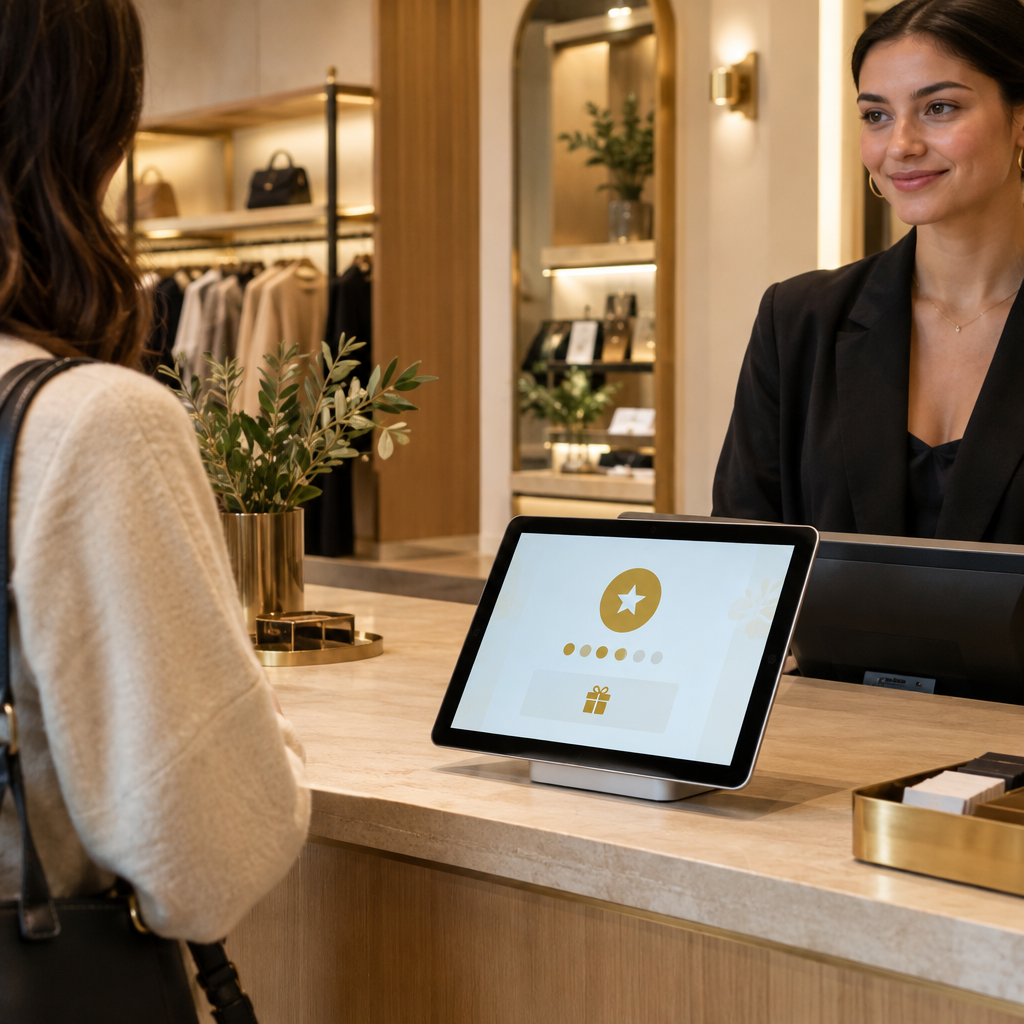
Place a tablet at the counter facing the customer. The screen shows a short opt-in, visit count, and current reward. The cashier enters a phone number or the customer taps to join. The platform sends a digital wallet pass for Apple Wallet or Google Wallet. The pass holds the customer name, loyalty status, and a seasonal offer. The platform replaces paper punch cards and plastic cards with a digital wallet pass.
The checkout workflow takes seconds. The cashier asks one question: ‘Would you like autumn bulb and soil reminders from this store?’ The customer opts in, the cashier scans the purchase, and the tablet records the visit. If the line is long, a second staff member can capture phone numbers after the transaction. Automatic visit tracking records check-ins at the tablet and matches POS purchases when the phone number is present. Store managers review capture rates weekly. At a busy spring counter, 40% capture builds a useful autumn list; 70% builds a strong one.
Train staff on the first three seconds of the interaction. The customer should see the tablet, hear one benefit, and finish the opt-in without slowing the line. Keep a printed fallback card for customers who prefer to type their own number. Test the tablet glare in direct sunlight and the wallet pass rendering on both phone types. Add a daily check that the tablet is charged, online, and connected to the loyalty platform. These small operational steps protect the spring list and make the autumn send possible.
### Segment Multi-Location Garden Center Audiences
Multi-location operators need store-level control. Tag every customer profile with the home store and nearby locations. Send autumn alerts only for products in stock at the nearest store. A firewood promotion for the north location should not land on a customer who shops the coastal store. Use a geo-radius rule and a store inventory feed. Store managers can pause a campaign when stock runs low or when a delivery is delayed.
Report results by location. Compare spring buyer return rates, SMS redemption rates, average basket size, and revenue per message. Run a 10% holdout group to measure incremental visits. Share the dashboard with store managers every Monday. The campaign becomes an operational tool with shared accountability.
Set campaign governance. The central marketing team owns templates, consent rules, and frequency caps. Store managers own local inventory, staffing, and send pauses. Regional managers review the holdout results and the revenue per message. This structure keeps the autumn SMS program consistent while allowing local stores to respond to weather, stock, and staffing.
### Coordinate SMS with In-Store Service Calendar
Garden centers host bulb planting workshops, container design classes, lawn care clinics, and landscape consultations. Add these events to the SMS calendar. Send spring buyers an invitation to an autumn workshop tied to their spring purchase. Use the recall structure in [Barbershop Client Retention: Automated SMS Appointment Recalls](https://loyaltynation.io/resources/barbershop-client-retention-automated-sms) for workshop slots, tree consultations, and seasonal check-ins. The reminder sequence confirms attendance, reduces no-shows, and gives staff a reason to greet the customer by name at the counter.
Coordinate staffing with campaign sends. Schedule extra cashier coverage for the weekend after a bulb or soil alert. Place the promoted products near the entrance and at the counter tablet. Track event attendance through the tablet check-in. Connect attendance to future SMS segments, so workshop guests receive follow-up care reminders.
## Implementation Checklist / Protocol
| Phase | Action | Owner | Metric |
|—|—|—|—|
| 1 | Map top 20 spring SKUs to autumn product categories | Nursery manager | Category coverage |
| 2 | Configure counter tablet opt-in and wallet pass launch | Store manager | Capture rate |
| 3 | Connect POS purchase categories to customer profiles | Operations lead | Profile match rate |
| 4 | Set weather and visit-gap triggers by store ZIP code | Marketing lead | Trigger accuracy |
| 5 | Build SMS templates for bulbs, soil, lawn, firewood, and frost prep | Copy lead | Click and redemption rate |
| 6 | Run a 10% holdout test for autumn alerts | Analyst | Incremental visit rate |
| 7 | Schedule staff coverage around send windows | Store manager | Counter wait time |
| 8 | Review revenue per SMS and repeat visit rate weekly | Owner | Revenue per message |
## Conclusion & CTA
Spring buyers already know your store. Autumn gives them a new list of jobs: bulbs, soil amendments, lawn repair, firewood, and frost prep. Counter tablet capture and seasonal SMS alerts reconnect those buyers with the right products at the right time. The campaign respects checkout speed, uses store-level inventory, and measures repeat foot traffic by location. Book an in-store counter demo with Loyalty Nation or calculate repeat foot traffic revenue gains for your garden center. Start with the spring list you already own.