# Nail Salon Loyalty Architecture: Rewarding Consistent On-Time Bookings
## Table of Contents
– [The Problem: Last-Minute Cancellations Drain Chair Revenue](#the-problem-last-minute-cancellations-drain-chair-revenue)
– [The Solution: Reward Booking History at the Counter](#the-solution-reward-booking-history-at-the-counter)
– [Build the Reliability Score from Visit Data](#build-the-reliability-score-from-visit-data)
– [Run the Front-Counter Workflow](#run-the-front-counter-workflow)
– [Automate SMS Recalls and Re-Engagement](#automate-sms-recalls-and-re-engagement)
– [Implementation Checklist / Protocol](#implementation-checklist–protocol)
– [Conclusion & CTA](#conclusion–cta)
> Reward reliable booking histories with a counter-based loyalty tier. Track on-time arrivals, completed appointments, and reschedules in the tablet. Give reliable clients priority slots, small visit credits, and automated SMS reminders. Publish a clear reliability score at checkout. The program fills open chairs, protects staff schedules, and turns repeat foot traffic into predictable revenue.
Nail salon no-shows shrink when the front desk treats booking history as a loyalty asset. The counter tablet records arrival time, service completion, and reschedule behavior. That data feeds [automated foot traffic re-engagement and win-back messaging](https://loyaltynation.io/platform/foot-traffic-triggers), so the salon invites reliable clients back before an open chair becomes lost revenue. The same system replaces forgotten punch cards with digital wallet passes that update after each visit.
A reliable booking history gives the salon a measurable way to reward clients who show up on time. The reward feels fair because it ties directly to counter behavior. Staff see the score at checkout. Clients see the benefit in their smartphone wallet. The salon gains a repeat revenue pattern that fits walk-in traffic and scheduled appointments.
## The Problem: Last-Minute Cancellations Drain Chair Revenue
A nail salon sells chair time. Each open slot carries technician payroll, rent, utilities, and the opportunity to serve another client. A last-minute cancellation turns a booked slot into idle capacity. The loss compounds when a client cancels on Saturday morning and the salon cannot refill the slot from walk-in traffic. The front desk absorbs the pressure while the phone rings and the line grows at the counter.
Many salons respond with penalties. A penalty can help, yet it creates friction at the counter. Clients dispute charges. Staff spend time enforcing rules. The salon risks losing a client who might return next month. A reward for reliable behavior produces a stronger operational result. The salon rewards clients who protect the schedule. The policy feels positive at checkout and encourages repeat visits.
The problem grows with multi-location salons. A client books at one location, cancels late, and books at another location. Without shared visit history, each manager sees only part of the behavior. A counter tablet connected to a shared loyalty profile gives every location the same reliability signal. The salon can reward consistent clients across the brand and spot scheduling gaps before they become empty chairs.
The monthly revenue loss is easy to calculate. Multiply the number of last-minute cancellations by the average ticket value. Add idle staff hours and the value of unfilled chair time. A salon with 30 late cancellations at $65 average ticket loses at least $1,950 in service revenue before payroll waste. The figure grows when clients cancel prime slots. The figure shrinks when the salon rewards reliable booking histories and fills gaps with automated recalls.
## The Solution: Reward Booking History at the Counter
The solution uses the front counter as the data capture point. The client checks in on the tablet. The system records arrival time, service completed, and reschedule action. Each appointment adds to a reliability score. The salon sets simple tiers and publishes the benefits. The client sees the reward in the digital wallet pass. The staff sees the score during checkout. The program runs inside the existing counter workflow.
The reward structure should protect the schedule and encourage repeat visits. A reliable client earns priority booking windows, small visit credits, and occasional add-on perks. The salon keeps the reward modest enough to protect margin. The main value comes from schedule protection and predictable foot traffic. A client with a strong reliability score returns more often because the salon reserves the best slots for reliable behavior.
### Build the Reliability Score from Visit Data
Start with a 100-point score. An on-time arrival adds points. A completed appointment adds points. A reschedule made more than 24 hours before the appointment protects the score. A no-show subtracts points. A late cancellation subtracts points. The exact weights should match the salon’s schedule pressure. A salon with high weekend demand can give more weight to prime-slot reliability.
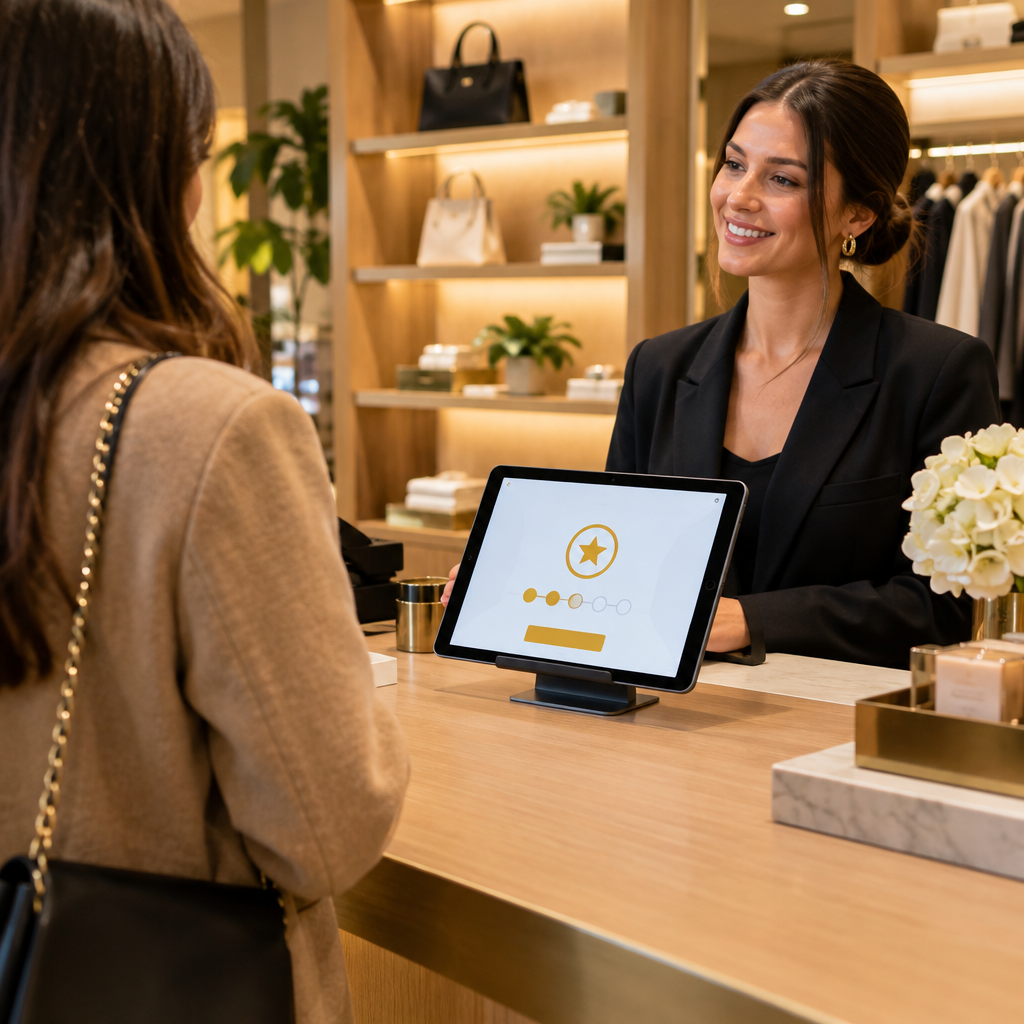
The counter tablet captures the data in seconds. The client taps check-in. The system compares the arrival time with the booking time. The technician confirms service completion after checkout. The system updates the score and the wallet pass. The client sees the current score and the next reward threshold. The staff sees the score beside the client name. The workflow adds no paperwork and no separate loyalty card.
The score should reset gradually or move in tiers. A client who misses one appointment should not lose all benefits. A tier system gives the client a path back to reliable status. The salon can set tiers such as Reliable, Priority, and VIP. Each tier unlocks a clear benefit. The client understands the rule at the counter and in the wallet pass.
The score also feeds the salon’s re-engagement logic. A client with a dropping score receives an automated reminder before the next appointment. The reminder includes the booking time and a one-tap reschedule link. The client can protect the score with an early reschedule. The salon protects the chair. The system records the action and updates the score. This loop reduces no-shows without extra front-desk calls.
### Run the Front-Counter Workflow
The counter workflow starts when the client books. The booking confirmation includes a digital wallet pass for Apple Wallet or Google Wallet. The pass shows the appointment time, location, and reliability tier. The client adds the pass to the smartphone at the front desk or through the booking link. The pass updates after check-in and checkout.
At arrival, the client taps the tablet or scans the wallet pass. The tablet shows the client name and appointment details. The front desk confirms the technician and service. The system records the arrival time. The client sees a short confirmation on the tablet. The staff keeps the line moving because the check-in takes seconds.
At checkout, the staff reviews the reliability score and the next reward. A reliable client might receive a small credit toward the next visit or an add-on perk. The staff explains the benefit in one sentence. The client sees the updated wallet pass. The reward connects the reliable behavior with a visible counter benefit. The salon builds repeat visits without a separate punch card.
The workflow also handles late cancellations. When a client calls to cancel, the staff offers a reschedule link through SMS. The client selects a new time. The system records the early reschedule and protects the score. The open slot appears in the salon’s fill list. The front desk can offer the slot to walk-in traffic or send an automated recall to reliable clients. The salon recovers revenue from a schedule change.
### Automate SMS Recalls and Re-Engagement
Automated SMS recalls fill open chairs and reinforce reliable booking habits. The salon sets a recall rule for clients with strong reliability scores. When a prime slot opens, the system sends a short SMS with the time and a one-tap booking link. The client books the slot from the phone. The counter tablet updates the schedule. The salon fills the chair without manual calls.
The recall logic should match the salon’s foot traffic pattern. A downtown salon might send recalls on Tuesday mornings for afternoon gaps. A weekend-heavy salon might send recalls on Thursday for Saturday openings. The system uses visit history to choose the right clients. A client who regularly books Saturday manicures receives the Saturday recall first. A client who prefers weekday appointments receives weekday offers.
The same automation supports win-back messaging. A client who has not visited in 60 days receives a reminder with a small reliability credit. The message includes a booking link and the client’s current tier. The client returns, completes the appointment, and rebuilds the score. The salon recovers a lapsed client and protects future chair time. The [Barbershop Client Retention: Automated SMS Appointment Recalls](https://loyaltynation.io/resources/barbershop-client-retention-automated-sms) guide shows the recall pattern for appointment-based shops. Nail salons apply the same counter logic with service-specific timing.
SMS automation also fills slow periods. The [Cinema Loyalty Marketing: Automating Tuesday Foot Traffic via SMS](https://loyaltynation.io/resources/cinema-loyalty-program-sms-marketing) example shows how a business can turn a predictable slow day into a repeat traffic opportunity. A nail salon can send Tuesday offers to clients with reliable histories. The message rewards the client for reliable behavior and fills the chair during a low-demand window. The salon gains revenue from a slot that would otherwise remain empty.
The salon should keep messages short and action-focused. Include the time, location, and booking link. Avoid long policy text. The client can book in one tap. The system records the response and updates the schedule. The front desk sees the filled slot in real time. The recall loop becomes part of the daily counter routine.
## Implementation Checklist / Protocol
| Step | Counter Action | System Rule | Success Metric |
| — | — | — | — |
| 1 | Add the wallet pass at booking or check-in | Pass updates after each visit | 70% of booked clients add the pass |
| 2 | Train staff to scan the tablet at arrival | Arrival time records automatically | Check-in takes under 15 seconds |
| 3 | Review the reliability score at checkout | Score uses on-time arrival and completed visits | Staff explains the tier in one sentence |
| 4 | Offer early reschedule through SMS | Reschedule more than 24 hours before the appointment protects the score | Late cancellations drop by 20% |
| 5 | Send recalls for open prime slots | Recall goes to reliable clients first | 40% of recalled slots fill within two hours |
| 6 | Review monthly no-show data | Compare cancellations by day and technician | Monthly lost chair revenue falls |
| 7 | Adjust tier benefits each quarter | Keep rewards tied to schedule protection | Repeat visit rate rises |
The protocol should start with one location. The manager sets the score weights, tier names, and reward values. The front desk trains on the tablet check-in and the checkout script. The system runs for 30 days. The manager reviews the no-show rate, the recall fill rate, and the repeat visit rate. The salon adjusts the reward values and the recall timing. The program expands to additional locations after the first location shows a clear revenue gain.
The checklist keeps the program practical. Staff need a fast counter action. Clients need a clear benefit. The salon needs a measurable result. The reliability score connects all three parts. The score gives the staff a reason to reward reliable clients. The wallet pass gives the client a visible status. The SMS recall gives the salon a way to fill open chairs.
## Conclusion & CTA
Nail salons reduce no-shows by rewarding reliable booking histories at the counter. The tablet records arrival and completion. The score rewards on-time clients with priority slots and visit credits. The wallet pass keeps the status visible. The SMS recall fills open chairs with reliable clients. The program protects staff schedules and turns repeat foot traffic into predictable revenue.
Book an in-store counter demo with Loyalty Nation. Calculate repeat foot traffic revenue gains for your salon. See how the tablet check-in, digital wallet pass, and automated recall work at the front desk. Start with one location and measure the no-show reduction in 30 days.