# Pizzeria Customer Retention: Automated SMS Triggers for Off-Peak Days
## Table of Contents
– [The Tuesday Gap in Artisan Pizzerias](#the-tuesday-gap-in-artisan-pizzerias)
– [How Automated SMS Fills Tuesday Delivery and Pickup](#how-automated-sms-fills-tuesday-delivery-and-pickup)
– [Map the Weekend-to-Tuesday Order Window](#map-the-weekend-to-tuesday-order-window)
– [Build the Counter and Phone Capture Workflow](#build-the-counter-and-phone-capture-workflow)
– [Set Trigger Logic for Delivery and Pickup](#set-trigger-logic-for-delivery-and-pickup)
– [Write Offers That Protect Margin](#write-offers-that-protect-margin)
– [Measure Reorders by Visit Gap](#measure-reorders-by-visit-gap)
– [Implementation Checklist and Protocol](#implementation-checklist-and-protocol)
– [Conclusion and Next Step](#conclusion-and-next-step)
> Automated SMS for Tuesday pizza sales uses the phone number captured at pickup, delivery, or counter checkout to send timed offers to weekend customers. Set a 48–72 hour post-weekend trigger, segment by last order date and favorite item, then track reorders by SMS link or reply. This fills Tuesday delivery and pickup slots, reduces discount waste, and gives the owner a repeatable routine tied to actual visit gaps.
Tuesday dinner demand drops when weekend customers forget the pizzeria by Monday. Loyalty Nation connects counter tablets, wallet passes, and [automated foot traffic re-engagement and win-back messaging](https://loyaltynation.io/platform/foot-traffic-triggers) so a Friday pickup becomes a Tuesday delivery reminder.
For an artisan pizzeria, off-peak revenue comes from known customers who already like the crust and the pickup routine. The work is operational: capture the phone number at the counter, tag the order channel, trigger the right message at the right time, and measure reorder rate by visit gap.
## The Tuesday Gap in Artisan Pizzerias
A pizzeria runs on weekly rhythm. Friday and Saturday carry high ticket counts, delivery drivers stay busy, and the oven hits capacity. Sunday can stay strong through early evening. Tuesday often has open oven space, available drivers, and staff hours already scheduled. The demand gap sits inside a cost structure that is already paid for.
Paper punch cards do little for this gap. They sit in wallets, get forgotten, and carry no order history. A customer who picked up a Friday pepperoni pie has no reminder to order a Tuesday family dinner. The owner sees a slow Tuesday without knowing which weekend customers are likely to return, which ones have a 14-day visit gap, or which ones only order delivery within a three-mile radius.
Counter data changes the conversation. A tablet captures a phone number in seconds at checkout. A digital wallet pass keeps the loyalty account visible on the customer’s phone. The point-of-sale system records last order date, order channel, average ticket, and favorite items. That record supports a targeted Tuesday SMS with segment-level control.
The challenge has three parts. The counter moves fast, so capture must fit the cashier workflow. Delivery and pickup customers have different order triggers. The message must reach the customer when they are planning dinner. Automated SMS rules tied to visit behavior address all three.
## How Automated SMS Fills Tuesday Delivery and Pickup
Automated SMS gives the pizzeria a controlled off-peak channel. The system sends messages from rules so a manager does not need to remember a discount post. Rules use last order date, order channel, item history, and location. The message lands on the customer’s phone with a clear order link or reply prompt.
### Map the Weekend-to-Tuesday Order Window
Start with the time between the weekend order and Tuesday dinner. Friday pickup customers are strong candidates for a Monday evening or Tuesday late-morning message. Saturday delivery customers may respond to a Monday lunch message for a Tuesday dinner plan. Sunday family orders often convert with a Tuesday afternoon reminder.
Use two send windows for the first test. The primary message goes out Monday between 10 a.m. and noon. A short reminder follows Tuesday between 3 p.m. and 5 p.m. for customers who opened the link but did not order. Keep messages inside local quiet hours and follow opt-in rules. The goal is a helpful dinner prompt with a clear pickup window or delivery slot.
### Build the Counter and Phone Capture Workflow
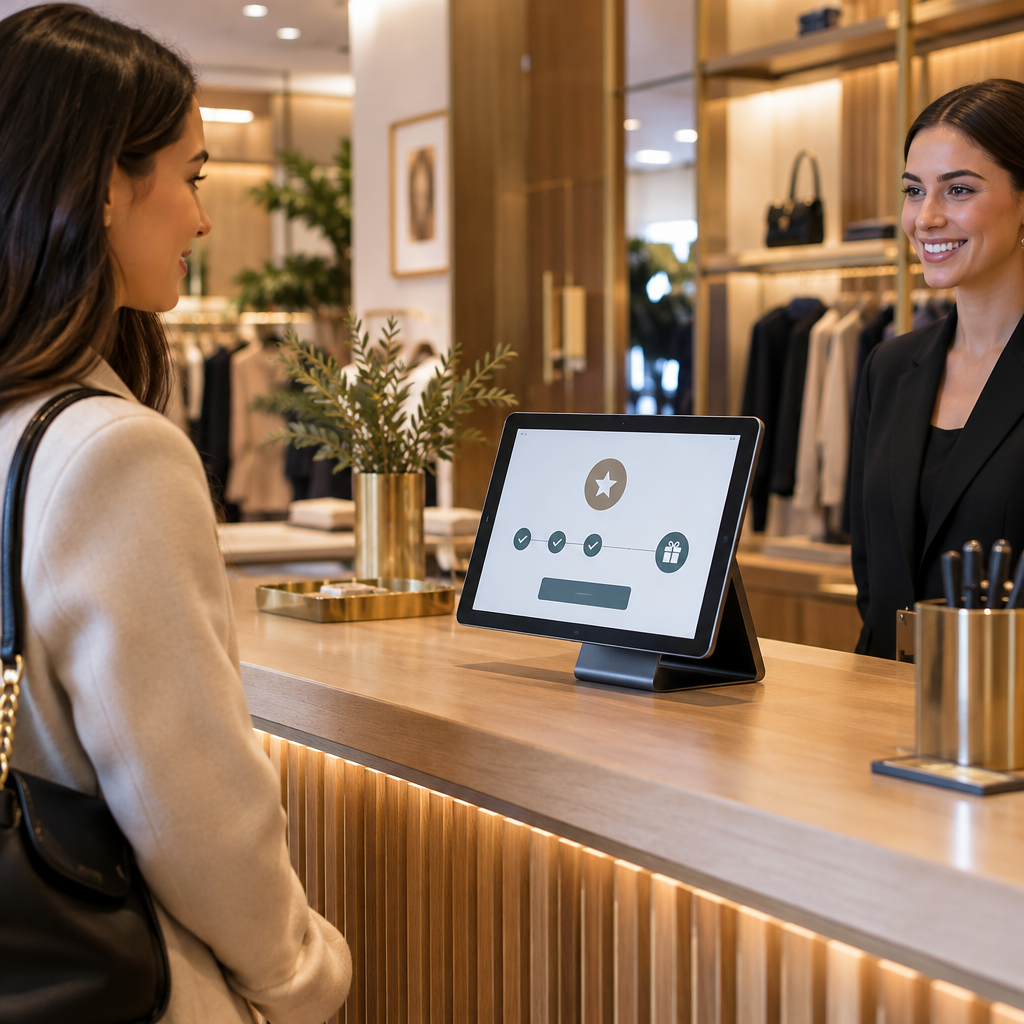
The counter is the highest-value capture point. Place a tablet facing the customer at the payment station. On screen, the tablet requests a phone number and shows a short opt-in line. The cashier says one scripted sentence: Join the Tuesday text list and get your first offer at pickup. Keep the entry to phone number, name, and consent.
A QR code on the receipt and pizza box supports delivery orders. The same opt-in field belongs in the online ordering checkout. Train staff to ask after payment so the line keeps moving. A five-second capture at the counter builds the Tuesday audience without slowing Friday service.
### Set Trigger Logic for Delivery and Pickup
Segment by order channel because delivery and pickup customers respond to different prompts. Delivery customers need address confirmation, fee clarity, and a realistic time window. Pickup customers need a simple order link, a pickup time, and a reminder that the pie will be ready at the counter.
Build these automated triggers:
– Weekend buyer with no Tuesday order in the last 14 days: send a Tuesday dinner prompt 48–72 hours after the weekend order.
– Pickup customer with a 21-day visit gap: send a pickup reminder with a favorite item and a ready-time window.
– Delivery customer with a 30-day visit gap: send a delivery offer with a minimum ticket and a clear radius check.
– High-frequency customer: send a double-points message for Tuesday with no discount.
– New opt-in: send a welcome message and a first-order prompt within 48 hours.
Off-peak timing follows the same pattern used in [Cinema Loyalty Marketing: Automating Tuesday Foot Traffic via SMS](https://loyaltynation.io/resources/cinema-loyalty-program-sms-marketing). The audience differs, the operational rule is identical: reach known customers on the slow day with a specific reason to act.
### Write Offers That Protect Margin
Artisan pizzerias have limited oven space and tight dough prep. A broad 20% discount can fill Tuesday with low-margin orders and train customers to wait for a deal. Use offers that protect the check average and the kitchen flow.
Strong options include free garlic knots with a $25 pickup order, $5 off a $35 delivery order, double loyalty points on Tuesday pickup, a fixed family bundle with a 25-minute pickup window, or priority pickup slots for loyalty members between 5 p.m. and 6 p.m.
Keep the SMS under 160 characters when possible. Include the offer, the day, and the action. Example: Tuesday pickup: free garlic knots with a $25 order. Order by 4 p.m. and pick your time: [link]. Reply STOP to opt out. The message names the day, states the value, and gives a clear path to order.
### Measure Reorders by Visit Gap
Track the Tuesday reorder rate as the share of weekend customers who place a Monday–Thursday order within 14 days. Compare the SMS group with a holdout group that receives no message. Measure average ticket, delivery mix, pickup mix, opt-out rate, and revenue per message sent. A useful dashboard shows last order date, segment, send date, order date, and order value.
Visit gap analysis shows where SMS earns its place. A 7-day gap calls for a gentle reminder. At 30 days, send a stronger win-back offer. Customers at 60 days may need a different channel or a lower-frequency message. The system updates the segment after every order so the next message reflects the current relationship.
For time-slot pickup reminders, apply the same recall discipline covered in [Barbershop Client Retention: Automated SMS Appointment Recalls](https://loyaltynation.io/resources/barbershop-client-retention-automated-sms). The customer needs a specific time, a confirmation, and a simple way to change the plan.
## Implementation Checklist and Protocol
Use this protocol over four weeks. Keep the first test narrow, measure the reorder rate, and expand only the segments that produce positive contribution margin.
| Step | Action | Success Check |
| — | — | — |
| 1 | Export 90 days of POS orders and tag pickup, delivery, last order date, and average ticket. | You have a clean list of weekend buyers and lapsed customers. |
| 2 | Add phone capture at the counter tablet, receipt QR code, and online checkout. | Staff captures a phone number on at least 30% of orders in week one. |
| 3 | Write three SMS templates: weekend-to-Tuesday, 21-day pickup recall, and 30-day delivery win-back. | Each template has one offer, one action, and an opt-out line. |
| 4 | Set the primary send window for Monday 10 a.m.–noon and the reminder for Tuesday 3–5 p.m. | Messages arrive inside local quiet hours and follow consent rules. |
| 5 | Apply a frequency cap of one marketing SMS per customer per week. | No customer receives stacked offers from overlapping rules. |
| 6 | Train the counter team on the opt-in script and the pickup time confirmation. | The cashier can capture a number without slowing the line. |
| 7 | Hold back 10% of the eligible audience as a no-message control group. | You can compare Tuesday reorders against a clean baseline. |
| 8 | Review reorder rate, average ticket, opt-out rate, and kitchen load after 14 days. | You know which segment pays back the SMS cost. |
| 9 | Scale the winning offer and pause the rule with the weakest contribution margin. | Tuesday revenue rises without weekend service damage. |
## Conclusion and Next Step
Tuesday delivery and pickup improve when the pizzeria uses known customer data at the counter. Automated SMS triggers turn a weekend order into a timed Tuesday prompt. The system records visit gaps, respects kitchen capacity, and measures reorders by segment. Staff keeps the counter fast. The owner sees the return.
Loyalty Nation builds the counter tablet, wallet pass, and automated SMS workflow around physical retail operations. Book an in-store counter demo to see the phone capture flow at the payment station. Calculate repeat foot traffic revenue gains for your Tuesday night and decide the first segment to launch.